
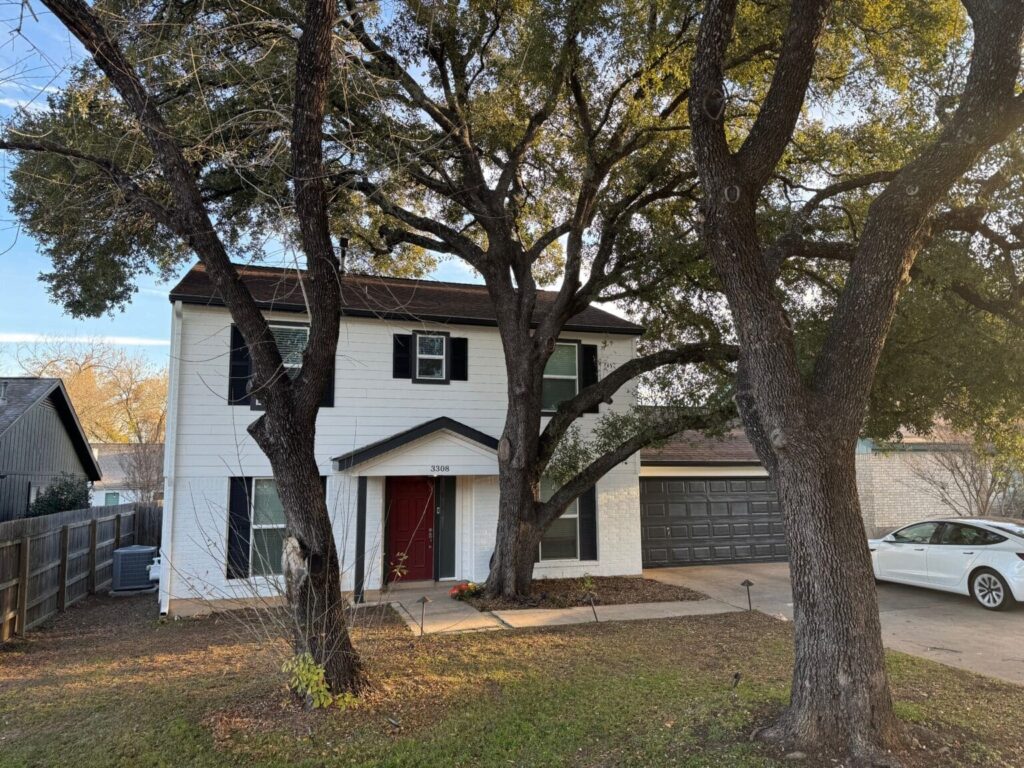
Why Local Climate Matters When Hiring a Siding Contractor in Austin
Austin’s intense summer heat, seasonal humidity, heavy rainfall, and occasional freezing temperatures can influence siding durability and installation methods. Choosing a qualified siding contractor in Austin, TX, helps homeowners evaluate suitable materials, moisture protection, and long-term maintenance needs. Understanding local climate conditions supports informed siding decisions and better exterior performance.
A home’s exterior faces constant exposure to sunlight, changing temperatures, moisture, and seasonal storms. In Austin, these conditions can influence how siding materials perform, how they should be installed, and how long they maintain their appearance. Hiring an experienced siding contractor in Austin, TX, can help homeowners understand how regional weather affects installation requirements and material performance. From evaluating wall conditions to recommending moisture-management details, local climate knowledge contributes to better exterior planning.
How Austin’s Climate Influences Residential Siding Performance
Austin experiences long, hot summers, periods of high humidity, occasional freezing temperatures, and thunderstorms. Hiring a qualified siding contractor in Austin, TX, helps homeowners choose suitable materials and installation methods that can withstand changing weather conditions throughout the year.
Extreme Heat and Sun Exposure
Prolonged sunlight can affect siding materials in different ways. Some products expand and contract as temperatures change, while certain finishes may gradually fade after years of ultraviolet exposure.
South-facing and west-facing walls often receive considerable sunlight, making material selection particularly important.
A knowledgeable contractor should consider:
- Manufacturer-approved installation clearances
- Thermal expansion and contraction
- Color and finish durability
- Ventilation and wall assembly requirements
- Product suitability for sun-exposed surfaces
These considerations can help reduce premature deterioration and maintain a consistent exterior appearance.
Humidity and Heavy Rainfall
Moisture management is another key factor in siding projects in Austin, TX. Wind-driven rain can reach gaps around exterior openings and siding joints. Although siding helps shed water, it should not be treated as the wall’s only moisture barrier.
Proper installation generally requires appropriate flashing, water-resistive barriers, and drainage provisions. These components help redirect moisture away from vulnerable wall materials.
Seasonal Temperature Changes
Austin’s weather can shift from extremely hot days to occasional freezing conditions during winter. These changes may influence the movement of certain siding products. Contractors must follow material-specific fastening instructions, joint requirements, and recommended clearances.
Ignoring these details can contribute to buckling, cracking, or uneven surfaces over time.
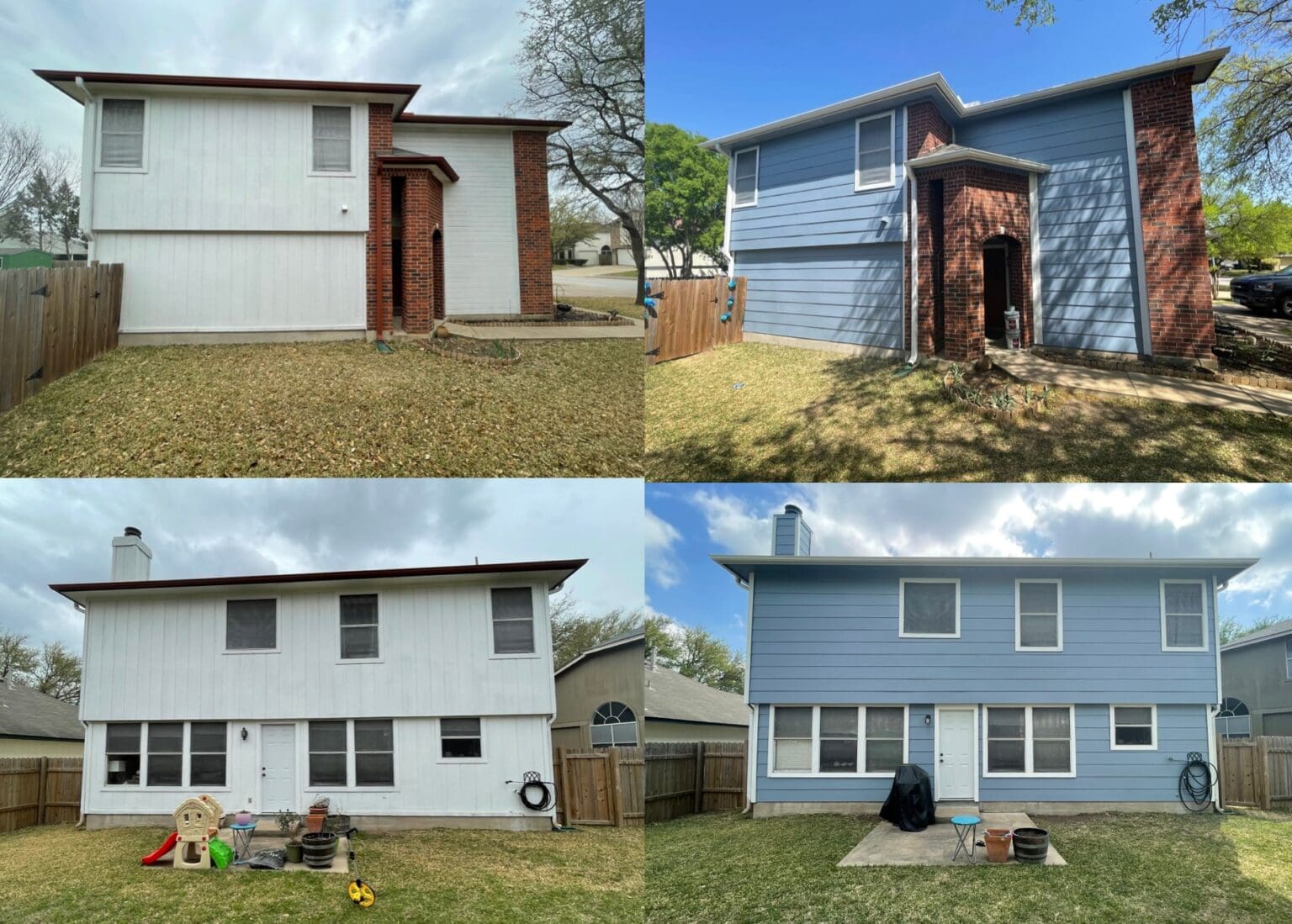
Why Local Experience Matters During Siding Installation
A contractor familiar with Central Texas conditions can better recognize regional exposure risks and explain which installation practices address them.
Understanding Exterior Wall Conditions
Before beginning residential siding installation, contractors should inspect the existing exterior and identify potential concerns.
This assessment may include examining:
- Existing siding deterioration
- Signs of trapped moisture
- Wall sheathing conditions
- Window and door flashing
- Exterior surface alignment
An inspection helps determine whether the project requires complete exterior replacement or work on selected sections.
Some underlying conditions become visible only after removing existing materials. A detailed written agreement should explain how the contractor will address unexpected findings during installation.
Following Suitable Installation Methods
Installation techniques vary by siding product.
Fiber cement, engineered wood, and vinyl siding have different requirements concerning fastening, cutting, spacing, and moisture protection.
A qualified installer should follow the manufacturer’s published instructions and applicable local building codes rather than applying the same installation method to every siding product.
This approach supports long-term performance and helps homeowners understand relevant warranty conditions.
Choosing Siding Materials for Austin’s Weather Conditions
Different materials offer distinct advantages. The best choice depends on the home’s architecture, exposure, maintenance preferences, and project budget.
Fiber Cement Siding
Fiber cement is often considered for homes exposed to intense sunlight and changing weather conditions.
Its advantages can include dimensional stability, pest resistance, and low combustibility. However, proper fastening, flashing, and finishing remain essential.
Fiber cement may also require periodic repainting depending on the selected product and finish.
Engineered Wood Siding
Engineered wood offers a traditional wood appearance with manufactured performance characteristics.
Certain products provide good impact resistance and convenient installation options.
However, exposed edges, joints, and cut surfaces must receive the manufacturer-specified treatment to reduce moisture-related concerns.
Vinyl Siding
Vinyl siding comes in many colors and profiles and typically requires little routine upkeep, making it a popular option for homeowners considering siding replacement. However, high heat exposure, fastening practices, and expansion allowances deserve attention.
Product quality and installation conditions can significantly influence performance.
No single siding material is ideal for every property. Comparing documented product specifications is more useful than accepting broad durability claims.
How Local Weather Knowledge Supports Better Siding Replacement Decisions
Planning a siding replacement project requires evaluating both visible deterioration and the condition of the underlying wall system.
Identifying Signs of Exterior Deterioration
Homeowners should watch for cracked panels, loose sections, persistent staining, and separation around exterior openings.
These signs do not always indicate that the entire exterior requires replacement. However, they may justify a closer inspection by a skilled siding contractor in Austin, TX.
The contractor should explain which conditions are cosmetic and which could indicate more significant moisture or installation problems.
Planning for Long-Term Maintenance
Siding maintenance varies by material, finish, and environmental exposure.
Homeowners should ask about recommended cleaning methods, inspection intervals, finish maintenance, and warranty limitations.
Regular visual inspections, particularly after severe storms, can help identify changes before they become extensive.
What to Ask Before Hiring a Siding Contractor
Selecting a contractor should involve more than comparing the initial quoted price.
Homeowners evaluating a siding replacement company in Austin should request clear explanations of materials, project scope, and installation responsibilities.
Questions Worth Asking During a Consultation
- Which siding materials suit the home’s sun and weather exposure?
- How will moisture be managed behind the siding?
- What installation requirements apply to the selected manufacturer?
- Does the estimate include removal, preparation, finishing, and cleanup?
- How will unexpected wall deterioration affect the agreed project cost?
- What workmanship coverage and manufacturer warranties apply?
Detailed answers help homeowners compare proposals more effectively and identify potential differences between contractors.
The Importance of Accurate Measurements and Transparent Estimates
Exterior measurements influence material quantities, labor planning, and project pricing.
Homes with multiple wall heights, decorative elements, or numerous openings may require more detailed calculations. Genuine Texas Exteriors describes using satellite imaging and measurement software to help estimate exterior wall areas. The company also offers project planning assistance and discusses multiple siding options with homeowners.
Homeowners should still confirm that the final proposal reflects actual property conditions and includes a clearly defined scope of work.
Frequently Asked Questions
Why is local climate experience important when hiring a siding contractor?
Local experience can help contractors recognize common weather-related challenges, including intense sunlight, rainfall, and seasonal temperature changes. This knowledge supports appropriate material recommendations and installation planning, although manufacturer requirements remain essential.
Which siding material performs best in Austin’s hot weather?
Fiber cement and certain engineered wood products are commonly considered for hot climates. However, performance depends on product specifications, surface exposure, proper installation, and maintenance. Homeowners should review manufacturer documentation before selecting a material.
Can siding installation help improve a home’s energy efficiency?
Siding alone does not necessarily provide significant insulation. However, an exterior renovation may create an opportunity to improve air sealing, insulation, and wall assembly performance. Actual benefits depend on the materials and construction details involved.
How can homeowners determine whether siding needs replacement?
Visible cracking, loose panels, recurring moisture stains, or significant deterioration may indicate the need for an inspection. A contractor can assess whether the affected sections require replacement and whether underlying wall components need attention.
Does Austin’s humidity affect siding installation?
Humidity and rainfall in Austin can increase moisture exposure around exterior walls. Proper drainage, flashing, water-resistive barriers, and manufacturer-approved installation practices help manage these risks. The specific approach depends on the siding system.
What should homeowners compare when reviewing siding installation estimates?
Compare material specifications, preparation work, installation scope, finishing details, cleanup responsibilities, warranties, and payment terms. A lower estimate isn’t necessarily the better value if it excludes key installation components.
Conclusion
Austin’s climate plays a major role in how exterior siding should be selected, installed, and maintained. Intense sunlight, moisture exposure, storms, and temperature fluctuations can affect both material performance and installation requirements. Choosing a knowledgeable siding contractor in Austin, TX who understands regional weather conditions helps homeowners make informed decisions about exterior materials, durability, maintenance, and long-term performance.
Careful planning, appropriate materials, and manufacturer-compliant installation practices provide a stronger foundation for lasting exterior performance.
Planning a siding upgrade in Austin? Find Genuine Texas Exteriors on Google Maps to connect with a local siding specialist.


