
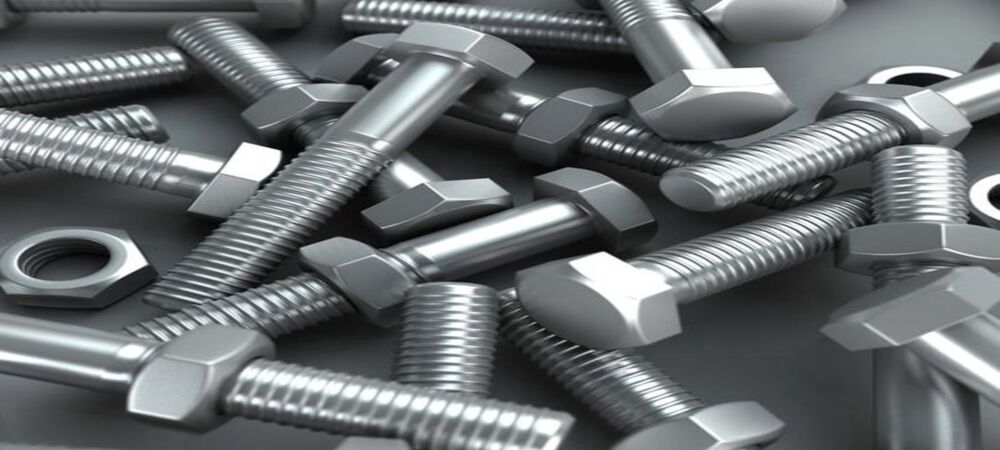
How Do Stainless Steel Screws Compare to Other Materials?
Stainless steel screws have long been the standard in many industries, renowned for their durability, corrosion resistance, and overall reliability. However, with advancements in materials science, alternative screw materials have emerged, each with its own set of benefits and drawbacks. In this comprehensive guide, we’ll delve into the intricacies of stainless steel screws and compare them to other materials, providing you with the knowledge needed to make informed decisions for your projects.
Table of Contents
Understanding Stainless Steel Screws
Stainless steel screws are crafted from an alloy of steel, chromium, and other elements, designed to resist rust, corrosion, and staining. This makes them ideal for use in environments where exposure to moisture or harsh chemicals is common, such as outdoor construction, marine applications, and industrial settings.
Benefits of Stainless Steel Screws
- Corrosion Resistance: One of the primary advantages of stainless steel screws is their exceptional corrosion resistance, ensuring longevity and reliability in challenging conditions.
- Strength and Durability: Stainless steel screws are renowned for their strength and durability, capable of withstanding high levels of stress and tension without compromising performance.
- Aesthetic Appeal: Beyond their functional benefits, stainless steel screws offer a sleek and polished appearance, making them suitable for applications where aesthetics matter.
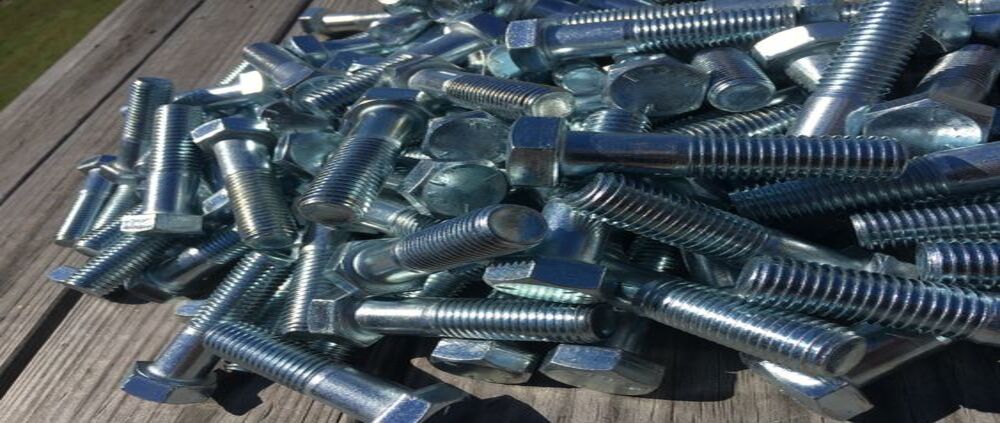
Types of Stainless Steel Screws
Stainless steel screws come in various grades, each tailored to specific applications and environments. Common grades include:
- 304 Stainless Steel: Also known as A2 stainless steel, this grade is versatile, offering good corrosion resistance, and is suitable for general-purpose applications.
- 316 Stainless Steel: Often referred to as marine-grade stainless steel, 316 stainless steel contains molybdenum, enhancing its corrosion resistance, particularly in saline environments.
Comparing Stainless Steel to Other Materials
While stainless steel screws are widely favored for their durability and corrosion resistance, other materials also have their merits. Let’s explore how stainless steel stacks up against some common alternatives:
Stainless Steel vs. Carbon Steel Screws
- Corrosion Resistance: Stainless steel outperforms carbon steel in terms of corrosion resistance, making it the preferred choice for outdoor and marine applications where exposure to moisture is a concern.
- Strength: While carbon steel is generally stronger than stainless steel, the latter’s corrosion resistance often outweighs the slight difference in strength for many applications.
- Cost: Carbon steel screws are typically more affordable than their stainless steel counterparts, making them a budget-friendly option for projects where corrosion resistance is not a primary concern.
Stainless Steel vs. Brass Screws
- Corrosion Resistance: Both stainless steel and brass offer excellent corrosion resistance, but stainless steel tends to fare better in harsher environments, such as marine or industrial settings.
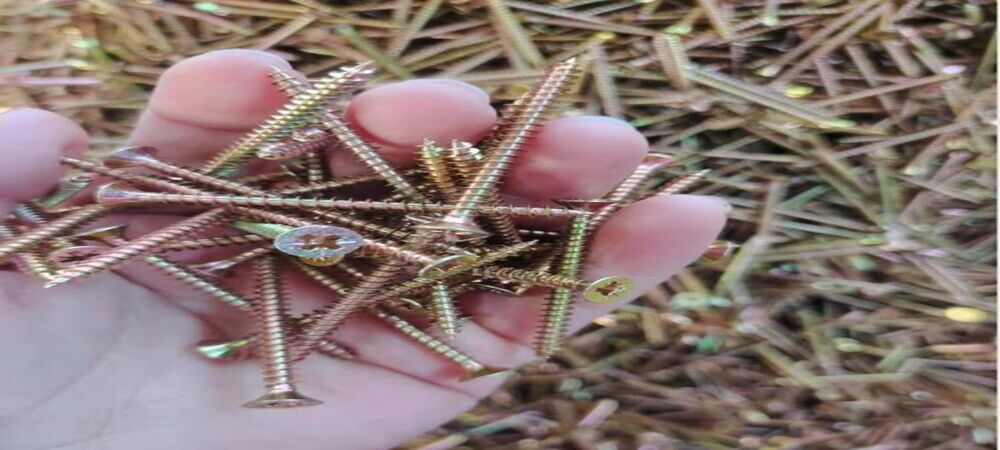
- Aesthetic Appeal: Brass screws have a distinct golden hue, providing a decorative touch to woodworking and furniture projects, whereas stainless steel offers a more modern and industrial look.
- Cost: Brass screws are often more expensive than stainless steel screws, primarily due to the higher cost of brass as a raw material.
Stainless Steel vs. Aluminum Screws
- Corrosion Resistance: While aluminum is naturally corrosion-resistant, it may corrode when exposed to certain chemicals or environments, whereas stainless steel maintains its integrity even in harsh conditions.
- Weight: Aluminum screws are significantly lighter than stainless steel screws, making them ideal for applications where weight reduction is critical, such as aerospace and automotive industries.
- Strength: Stainless steel screws generally offer higher tensile strength compared to aluminum screws, making them better suited for load-bearing applications.
Conclusion
Stainless steel screws remain a popular choice across various industries due to their unparalleled corrosion resistance, strength, and durability. While alternative materials like carbon steel, brass, and aluminum offer their advantages, stainless steel continues to reign supreme in demanding environments where reliability is paramount. By understanding the unique properties of each material, you can confidently select the right screws for your specific needs, ensuring the success and longevity of your projects.


